Veterans Day Remembrance: Honoring Military Service Through Meaningful Funeral and Cemetery Tributes
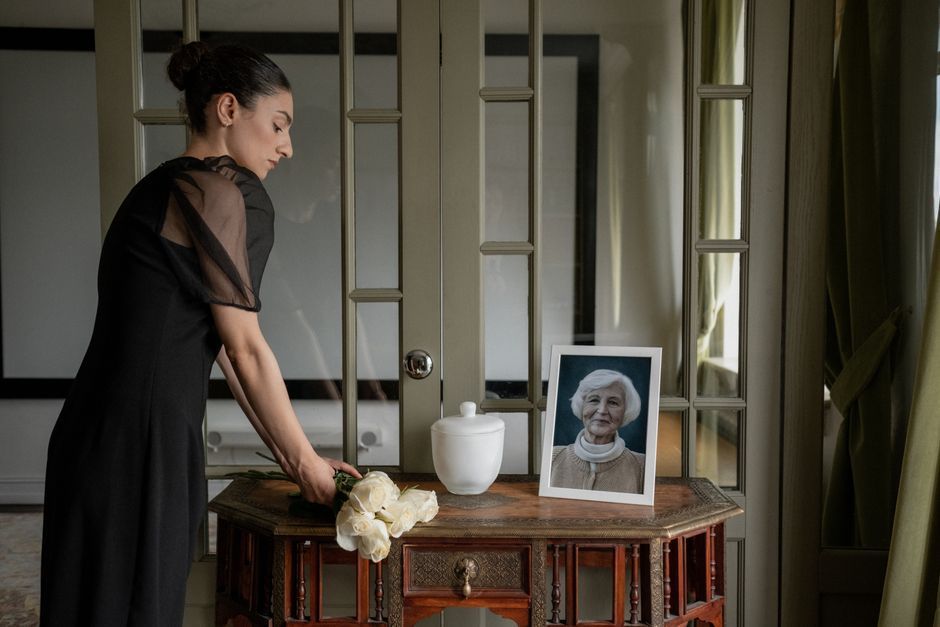
Every November 11, communities across the country pause to honor the men and women who served in the United States Armed Forces. In Northern New Mexico, that pause carries particular weight. Families here have sent sons and daughters, brothers and sisters, parents and grandparents into every major conflict of the twentieth and twenty-first centuries. The names on headstones in local cemeteries, and the photographs on living room walls, tell a story of sacrifice that runs deep through the region's identity.
For families walking through the loss of a veteran, Veterans Day can bring both comfort and fresh grief — a public recognition of what has always felt deeply personal. Understanding the traditions and options available for honoring a veteran's service can help families feel grounded in that process, whenever the time comes.
A Community Shaped by Service
Northern New Mexico has long sent a high proportion of its young people into military service, a pattern that reflects strong values of duty, community, and sacrifice. Families with roots in the region often carry multi-generational military histories — a grandfather who served in World War II, a mother who enlisted during the Gulf War era, a son or daughter serving today. Those layered histories shape how families think about honoring their veterans, both in life and in death.
The traditions that accompany a veteran's funeral and burial are not one-size-fits-all. They draw from branch customs, personal faith, cultural heritage, and individual personality. A family honoring a Marine will observe different traditions than one honoring a member of the Army or Navy. And a family whose roots include deep New Mexican cultural practices will naturally weave those values into the tribute as well.
Military Funeral Honors: What Families Often Choose
When a veteran passes, families may request certain military honors as part of the funeral or committal service. These are typically coordinated through official military channels, and a funeral director experienced with veteran services can help families understand what to request and how the process works. Common elements include:
- Flag presentation: The folded United States flag, presented to the next of kin, is one of the most recognized and meaningful gestures in a military funeral. Many families describe this moment as deeply moving, even when they anticipated it.
- Taps: The playing of Taps — whether by a live bugler or a ceremonial recording — has marked the close of military funerals for generations. Its simplicity carries enormous weight.
- Branch-specific elements: Each branch of service has its own customs, insignia, and ceremonial traditions. Families often incorporate uniforms, branch emblems, service medals, and branch-specific prayers or readings into the service.
- Honor guard: A uniformed honor guard may be present at graveside services, offering a formal and respectful acknowledgment of the veteran's commitment.
Cemetery Tributes That Endure
For many families, the cemetery becomes a place of ongoing remembrance — not just a location for burial, but a space where a veteran's service is visible and honored over time. Grave markers for veterans often include branch insignia and service dates. Some families choose additional memorialization, such as engraved monuments that reflect personal details — a favorite unit motto, a branch seal, or a simple phrase that captures who the person was beyond their uniform.
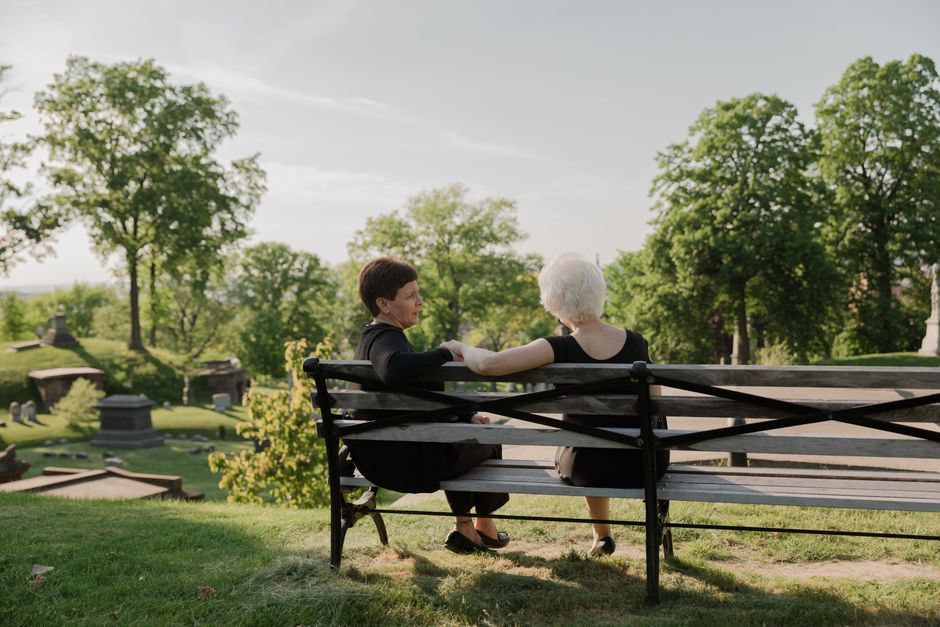
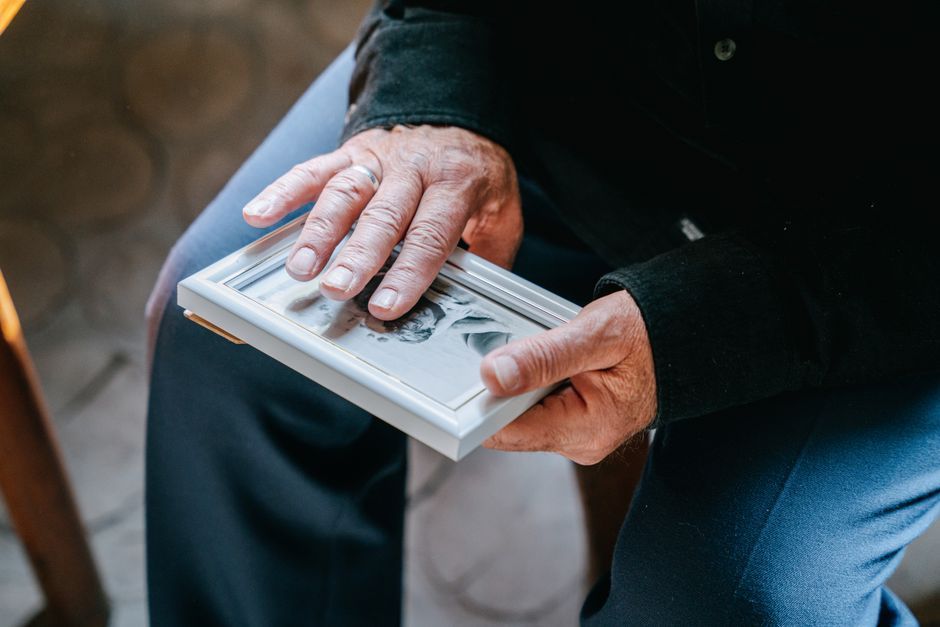
On Veterans Day itself, cemeteries often become quiet gathering places. Families visit gravesites, leave small flags or flowers, and sit with memories. For those who cannot visit in person, writing a letter, sharing a photograph, or simply speaking a veteran's name aloud can be a meaningful act of remembrance.
Blending Cultural and Military Traditions
Northern New Mexico families often find that honoring a veteran means holding two traditions at once — military ceremony and deeply rooted personal or cultural values. A rosary the night before the service. A favorite song performed by a family member. Food shared among relatives after the burial. These moments are not departures from a military tribute; they are its completion. A veteran was a whole person, and a meaningful service reflects that wholeness.
Honoring a veteran does not require choosing between military tradition and personal meaning. The most lasting tributes tend to hold both.
Planning Ahead, Without Pressure
Some families find comfort in thinking through these decisions before a loss occurs. Knowing a veteran's branch preferences, their feelings about military honors, and the personal touches that mattered to them can ease the planning process during a difficult time. These conversations do not need to happen all at once, and there is no single right moment to have them. A trusted funeral professional can help families think through options at whatever pace feels right.
This Veterans Day, and every day, Northern New Mexico's veteran families deserve to have their loved ones remembered with care, dignity, and the full meaning of a life devoted to service.
Photo by Steppe Walker on Pexels.