Supporting Grieving Children: Age-Appropriate Ways to Include Kids in Remembrance
When a family loses someone they love, children feel that loss just as deeply as adults do — even when they lack the words to say so. Including children in remembrance in ways that feel right for their age can help them process grief, feel connected to the person who died, and understand that their presence in the family matters. For extended families who gather together across generations, there are many gentle, meaningful ways to bring children into these moments alongside grandparents, aunts, uncles, and cousins.
Why Inclusion Matters
It can be tempting to shield children from grief by keeping them away from services or remembrance rituals. Most child development and grief counseling professionals suggest, however, that children benefit from being included in age-appropriate ways. Being part of a farewell — even in a small role — helps children understand that loss is a natural part of life and that the family faces it together. It also honors their relationship with the person who died.
There is no single right way to include a child. Follow the child's lead, answer their questions honestly and simply, and reassure them that all of their feelings are welcome.
Tailoring Participation to Age
Toddlers and Preschoolers (Ages 2–5)
Very young children live in the present and may not fully understand the permanence of death, but they notice when something important is happening in the family. Simple participation works best:
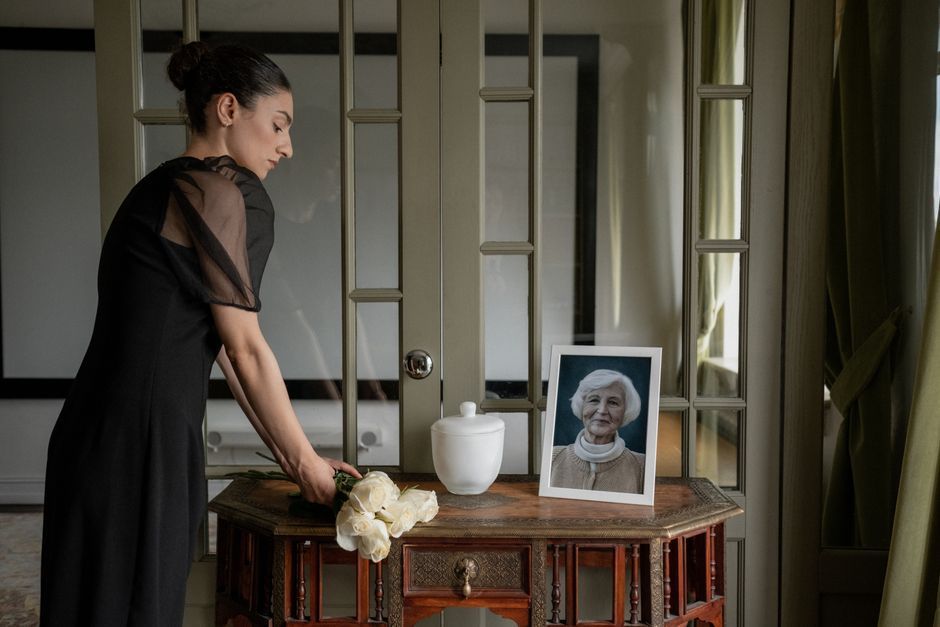
- Holding a flower to place near a casket or urn
- Sitting with a trusted grandparent or aunt during a moment of prayer or reflection
- Coloring a picture to be placed with the loved one or displayed at a gathering
- Helping carry something small and meaningful, like a program or a candle
Having a familiar adult nearby who can step outside with them if they become restless keeps young children comfortable without disrupting the service for others.
Early Elementary (Ages 6–9)
Children in this age range are beginning to understand that death is permanent, and they often have direct questions. Honest, simple answers serve them far better than vague reassurances. Ways to participate meaningfully include:
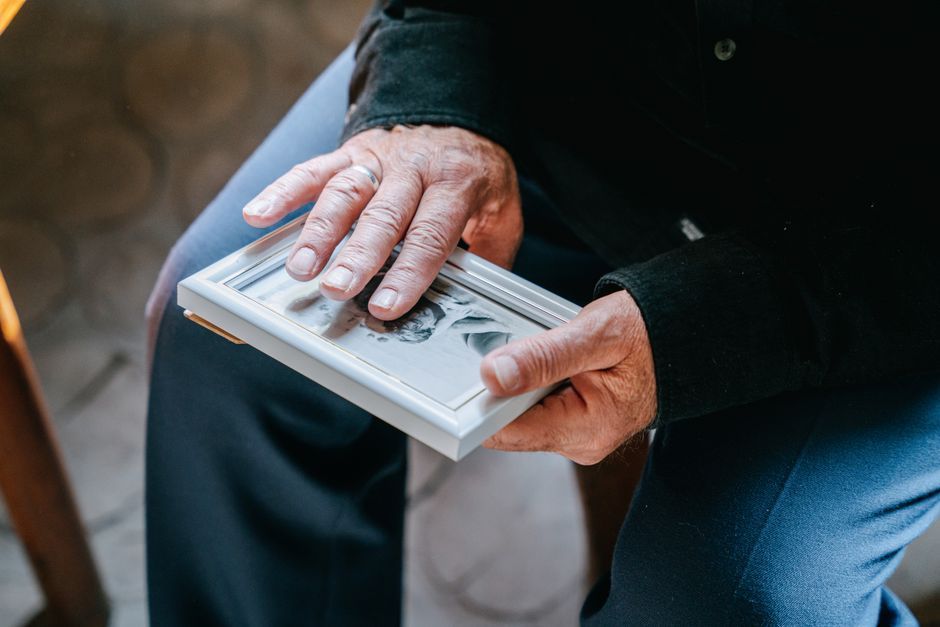
- Helping to select a photograph or memento to display
- Writing or dictating a short memory to be read aloud by an adult
- Drawing or painting something that represents how they feel about the person
- Lighting a candle alongside an elder relative during a memorial moment
Preteens (Ages 10–12)
Older children often want a real role, not a symbolic one. They may feel proud and comforted by being genuinely helpful:
- Greeting family members at the door and handing out programs
- Helping to assemble a memory table or photo display
- Reading a short poem or passage chosen by the family
- Assisting with the guest book or a memory jar
Teenagers
Teens may grieve intensely and privately. Some will want a visible role; others will prefer to observe and support quietly. Both are valid. Options for those who want to participate include speaking briefly about a memory, creating a playlist that reflects the loved one's spirit, or serving as a pallbearer alongside adult relatives. Letting a teenager choose — without pressure — honors where they are.
Drawing on Extended-Family Traditions
Extended families bring a remarkable wealth of tradition to the way they honor the people they've lost. When grandparents, aunts, uncles, and cousins all gather, children naturally look to the older generations for cues about how to feel and what to do. That intergenerational presence is itself a gift.
Consider pairing each child with an older relative who can guide them gently through the service — explaining what is happening, answering quiet questions, and simply being present beside them. A grandmother who shares a story about the person who died, or an uncle who shows a child how to fold their hands during a moment of reflection, passes on something that lasts long after the service ends.
The stories older relatives tell at a memorial become part of how a child understands their family — and their own place within it.
Family recipes shared at a gathering, songs that carry meaning across generations, and small rituals repeated at every loss all help children feel the continuity of family even in the midst of grief.
A Word About Choice
Always let a child decide how much they want to participate. A child who chooses to sit quietly in the back row is still participating — they are there, they are part of the family, and they are learning that love continues even after loss. Grief has no schedule, and neither does a child's readiness to engage with it.
If you are supporting a grieving child and would like guidance, a trusted grief counselor, school counselor, or family therapist can offer resources suited to your child's age and temperament. The team at Rivera Family Funerals & Cremations is also here to help families think through how to make services meaningful for every generation gathered in the room.
Photo by Anna Shvets on Pexels.