Honoring a Life Through Personalized Tributes: Ideas Beyond the Traditional Service

Rivera Family Funerals & Cremations Staff • October 14, 2026

When someone we love dies, the instinct is often to do things the way they have always been done — and there is real comfort in familiar rituals. But more and more families are discovering that a service can hold both tradition and something deeply personal: a detail, a gesture, or a gathering shaped around who their loved one truly was.

At Rivera Family Funerals & Cremations, four generations of serving Northern New Mexico families have shown us how meaningful that difference can be. The ideas below are offered not as a checklist, but as gentle starting points — things to consider when you are ready, and to set aside when you are not.

Begin With the Person, Not the Plan

Before thinking about flowers or music, it helps to simply sit with the question: What made this person themselves? Their humor, their cooking, their Saturday morning routine, the way they greeted neighbors — these everyday details are often where the most meaningful tributes take root.

Consider jotting down a few memories, or asking family members to share one word, one story, or one image that captures the person they knew. You do not need to use everything that comes up. Sometimes a single, well-chosen detail says more than an elaborate program.

Weaving Cultural and Family Traditions Into the Service

Northern New Mexico has a rich and layered cultural heritage, and many families carry traditions that span generations — some deeply rooted in community, faith, land, or language. A service can be a place where those traditions are honored openly, not set aside for the sake of convention.

Some families incorporate:

  • Prayers, songs, or readings passed down through the family
  • Foods that were meaningful to the person or to the gathering itself
  • Handmade items — quilts, woodwork, pottery — placed near the casket or urn
  • Photographs arranged not just chronologically, but around themes: the garden, the grandchildren, the years of service
  • A moment of communal storytelling, where anyone who wishes may speak

None of these require a large budget or elaborate logistics. They require only attention to what was real about this person's life.

Keepsakes That Keep the Memory Present

Families often want something tangible — something they can hold, display, or return to in quiet moments. There are many ways to create a lasting keepsake that feels personal rather than generic.

Memory Books and Printed Tributes

A simple booklet with photographs, a favorite poem, and a brief life story gives guests something to take home and keep. It does not need to be professionally printed to be meaningful.

Seed Packets or Living Mementos

For someone who loved the outdoors, gardening, or the land, offering seed packets — especially of something they grew themselves — gives guests a living way to remember them through the seasons.

Recipe Cards

If food was central to a person's life or identity, sharing a beloved recipe in their handwriting (or transcribed from memory) is a quiet, lasting gift.

A Memory Jar

Place a jar and small slips of paper at the entrance, and invite guests to write a memory or message. The family can read these in the days and weeks that follow, when the quiet sets in.

Thinking Beyond the Funeral Home

A gathering does not have to take place in a traditional setting to be a meaningful farewell. Some families choose to gather at a place their loved one cherished — a community hall, a family property, a park, or a church that held significance for them. Others hold a formal service first and then a separate, informal gathering later, once the immediate weight of loss has softened slightly.

For those who choose cremation, the question of where and how to honor the person can feel more open-ended — and that openness can itself be a gift, allowing the family to take time and be intentional.

When Community Is Part of the Memorial

In tight-knit communities like those across Northern New Mexico, a person's life often touches many people outside the immediate family — neighbors, former colleagues, members of a church or civic group. Inviting the wider community into the service, or creating a way for people to contribute a memory even if they cannot attend in person, honors the full reach of a life well lived.

A life that touched many people deserves to be remembered by many people. There is no wrong way to gather in love.

You Do Not Have to Figure This Out Alone

Planning a personalized service while grieving is a genuinely difficult thing to do. It is completely appropriate to lean on family members, a trusted clergy person, or a funeral professional who understands your community and your family's values. The goal is not a perfect event — it is a true one.

Rivera Family Funerals & Cremations has spent generations walking alongside Northern New Mexico families through exactly this kind of planning. We are here to listen, to guide, and to help you find the details that make a service feel like the person it honors.
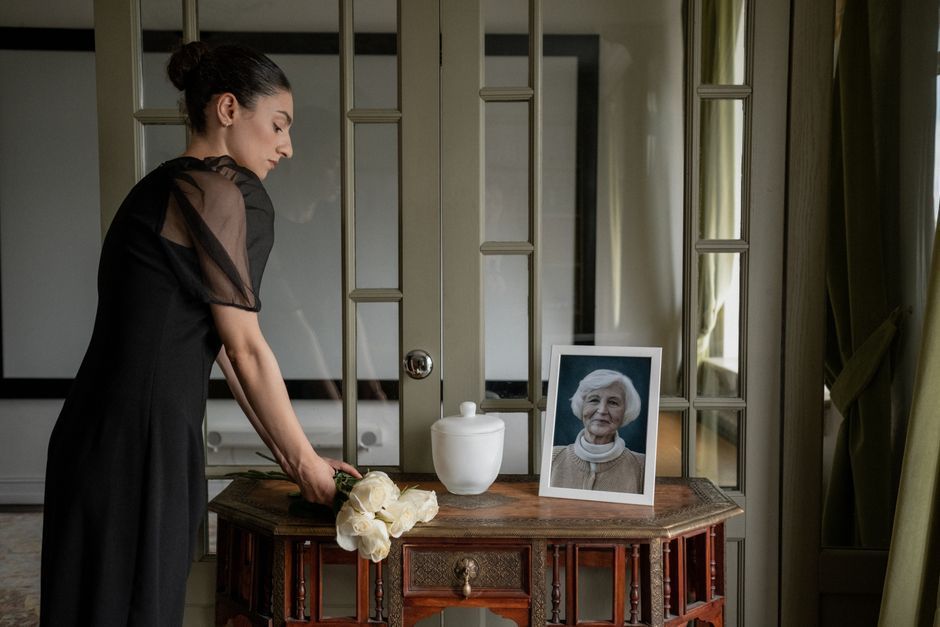

Photo by Pixabay on Pexels.

By Rivera Family Funerals & Cremations Staff • October 7, 2026
Not sure what to do with your loved one's cremated remains? Explore your options — from home keeping to burial — with no pressure and no rush.
By Rivera Family Funerals & Cremations Staff • September 30, 2026
Learn how planning ahead honors your wishes, eases the burden on loved ones, and makes space for every family's unique voice and traditions.
By Rivera Family Funerals & Cremations Staff • September 23, 2026
Learn what to expect when planning a memorial service, from early decisions to personal touches, with guidance for Northern New Mexico families.
July 31, 2025
Gried and Guilt: The Weight of What-Ifs
March 27, 2025
More Than One Loss Grief is often thought of as the pain we feel after losing a loved one. But grief isn’t just about the person who died —it’s also about everything that went with them. The routines you shared, the roles you played, the future you imagined, and even the relationships that shift in the aftermath. These are known as secondary losses, and they can be just as difficult as the primary loss itself. Secondary losses are often not antcipated. You might expect to grieve your loved one, but you may not anticipate the deep loneliness that comes from losing the small daily interactions you had with them. You might feel the pain of losing not just a spouse, parent, or friend, but also the identity that came with being their partner, caregiver, or confidant. These hidden losses can make grief feel even heavier, and understanding them can help you navigate this challenging time. What Are Secondary Losses? Grief touches every part of life, which means secondary losses can take many forms. Some of the most common include: · Loss of roles: If you were a caregiver, a partner, or a child who looked to a parent for guidance, that role is now different—or gone entirely. Adjusting to life without that identity can feel disorienting and painful. · Loss of routines: Grief often disrupts the everyday patterns of life. The morning coffee you always shared, the Sunday phone calls, the daily check-ins—small but meaningful aspect of our lives. · Loss of relationships: Some friendships and family connections change after a loss. People may not know how to support you, or they may distance themselves. Others may expect you to grieve on their timeline, making it harder to maintain those relationships. · Loss of security: This could be financial, especially if the person who died contributed to household income. It could also be emotional—the feeling that you had a safe and predictable life before this loss. · Loss of future plans: Every loss changes the future. Dreams you shared, trips you planned, milestones you expected to celebrate together—these losses can hit unexpectedly, sometimes long after the initial grief has subsided. The Emotional Impact of Secondary Losses Secondary losses can feel like waves that keep coming, even when you think you’ve found solid ground. Because they are not always acknowledged by others, they can feel isolating. But just like the primary loss, they deserve space and recognition. Navigating Secondary Losses: Practical Advice · Name and validate the losses. It may help to make a list of the secondary losses you’re experiencing. Acknowledging them can bring clarity and help you acknowledge the many losses you have. · Create new routines and roles. While the old ones may never be replaced, finding small ways to establish new patterns can bring a sense of stability. This could be as simple as a new morning ritual or a different way of honoring your loved one’s memory. · Seek out supportive relationships. Some connections may change, but new ones can also emerge. Finding people who understand grief—whether through support groups, therapy, or trusted friends—can help ease the loneliness. · Give yourself permission to grieve these losses. Just because they aren’t always talked about doesn’t mean they aren’t real. Allow yourself to mourn what has changed, just as you mourn the person you lost. · Consider professional support. If secondary losses feel overwhelming or make it difficult to function, a grief counselor can help you process them and find ways to cope. Grief Is Layered, But Healing Is Possible Grief is never just about one loss. It’s about all the pieces of life that shift and change in the wake of that loss. If you find yourself grieving things beyond the person who died, know that you are not alone. Be patient with yourself as you navigate these changes, and remember that support is available when you need it.
July 20, 2024
Written by our in-house Grief Counselor, Amanda Nelsen.
March 31, 2021
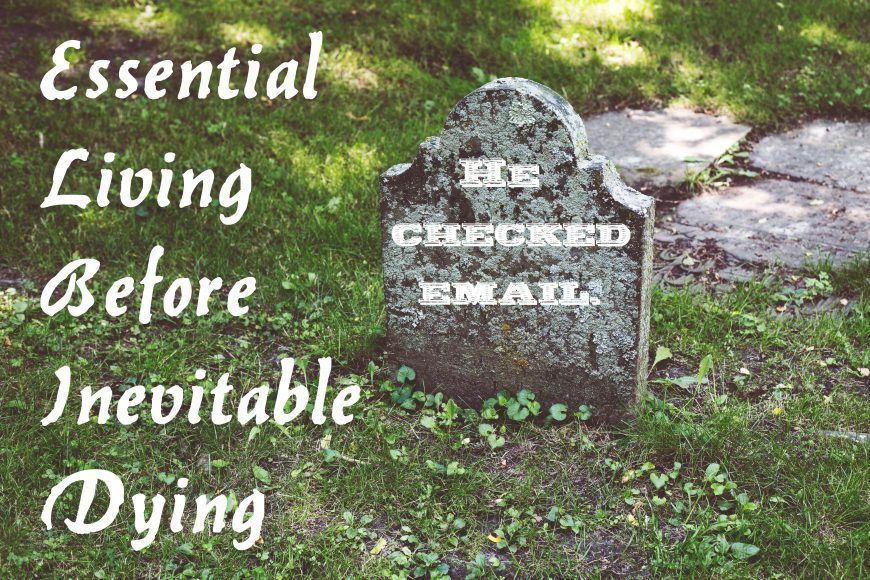
In the last few paragraphs of Greg McKeown’s book, Essentialism: The Disciplined Pursuit of Less , the author tells a heartbreaking story of a man whose three-year-old daughter has died. The father wished to put together a slideshow of her little life to play at her funeral. He had documented on his camera every outing he’d ever taken with his daughter, and he had hours of footage. But as he scrolled through the thousands of photos and videos, he realized, with growing alarm, that nearly all the images he had captured were of the sights, views, meals, and landmarks of their trips. He had practically no close-up images of his daughter. He had failed to recognize what was essential in his life until she was gone.
November 17, 2020
Dear Ted,
October 23, 2020
Dear Ted,