The Benefits of Planning Ahead

Rivera Family Funerals & Cremations Staff • September 30, 2026

There is rarely a perfect moment to talk about end-of-life wishes. Conversations like this one can feel heavy, or even premature, especially when everyone in the family is healthy and life is full. And yet, many families find that starting the conversation early — long before any urgency arrives — is one of the most generous things they ever do for one another.

Planning ahead is not about dwelling on loss. It is about making room for each person's voice while that voice is present, clear, and full of detail only they can provide.

Your Story Belongs to You

Every person carries a set of values, memories, and traditions that are entirely their own. The music that matters. The community that shaped them. The rituals — religious, cultural, or simply personal — that feel true. When preferences are shared and recorded in advance, families do not have to guess. They can focus on being present with one another instead of navigating difficult decisions under pressure.

At Rivera Family Funerals & Cremations, we have had the privilege of serving Northern New Mexico families for more than 80 years. In that time, one thing has remained constant: the services that feel most meaningful are the ones that genuinely reflect who the person was. Planning ahead makes that possible.

What Planning Ahead Usually Involves

Pre-planning looks different for every family, but it generally includes some or all of the following:

  • Recording personal wishes. This might mean writing down preferences for a burial or cremation, selecting readings or music, or simply describing the kind of atmosphere you would want — quiet and intimate, or open and celebratory.
  • Choosing between burial and cremation. Both are deeply honored choices. Understanding the differences — and what each might mean for your family — is easier to explore when there is no time pressure.
  • Considering a final resting place. For families who value a permanent place to gather, cemetery planning can be part of this conversation. For others, cremation opens different possibilities.
  • Sharing practical information. Locating important documents, noting financial accounts, and letting a trusted person know where to find everything can relieve an enormous burden later.
  • Putting it in writing. Verbal wishes are valuable, but a written record — shared with family and kept somewhere accessible — ensures that nothing depends on memory alone.

A Gift for the People You Love

Families who have gone through loss without any guidance often describe the same experience: the grief itself was hard enough, but layered on top of it were dozens of decisions that had to be made quickly, often by people who were exhausted and heartbroken. They did their best. But many wished they had known more about what their loved one actually wanted.

Planning ahead changes that picture. It does not remove grief — nothing does — but it lifts a particular kind of weight. When a family already knows that their mother wanted a simple graveside service, or that their father had chosen cremation and asked that his ashes be brought to the mountains he loved, they can honor those wishes with confidence rather than uncertainty.

The greatest comfort a person can offer their family is clarity — not about everything, but about the things that matter most to them.

It Is Also a Conversation, Not a Transaction

One of the most common hesitations people share is the fear that pre-planning will feel clinical or impersonal — like filling out paperwork in a waiting room. In practice, many families find the opposite. Sitting down together to talk about wishes often leads to stories being told, values being named, and connections being made that might not have happened otherwise.

You do not need to have every answer before starting. You do not need to plan everything at once. Even a single, honest conversation with someone you trust — a family member, a close friend, or a funeral professional — can be the beginning of something meaningful.

When You Are Ready

There is no right time and no wrong time to begin thinking about these things. Some people start in their forties; others wait until a health change prompts reflection. What matters is not the timing but the intention: to be known, to make things easier for those you love, and to ensure that when the time comes, the farewell is as personal as the life it honors.

If you would like to explore what pre-planning looks like for your family, a trusted funeral professional can walk you through the process at whatever pace feels right. Rivera Family Funerals & Cremations welcomes those conversations and is honored to be a resource for Northern New Mexico families at every stage of this journey.

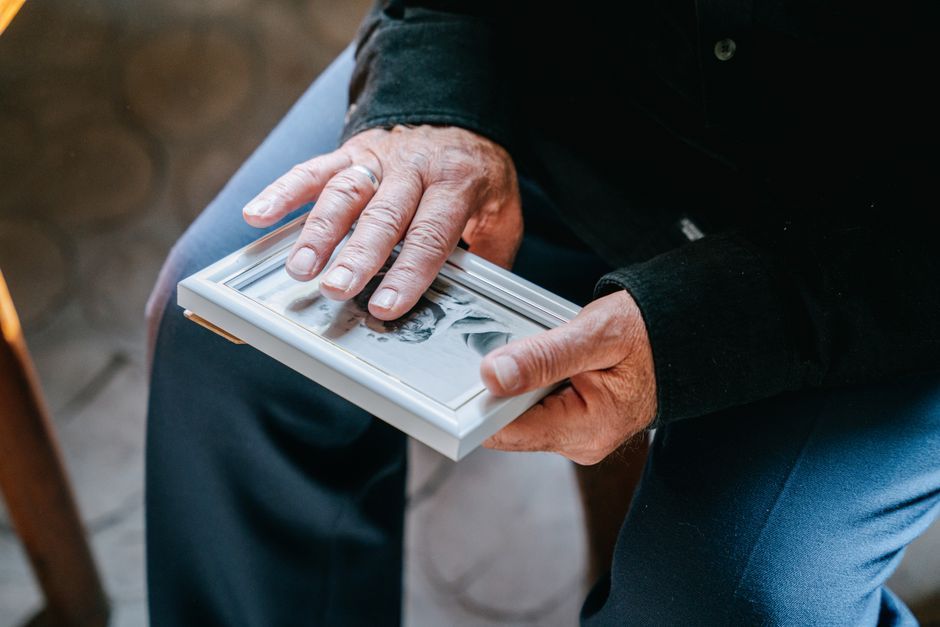
Photo by Yan Krukau on Pexels.
By Rivera Family Funerals & Cremations Staff • September 23, 2026
Learn what to expect when planning a memorial service, from early decisions to personal touches, with guidance for Northern New Mexico families.
July 31, 2025
Gried and Guilt: The Weight of What-Ifs
March 27, 2025
More Than One Loss Grief is often thought of as the pain we feel after losing a loved one. But grief isn’t just about the person who died —it’s also about everything that went with them. The routines you shared, the roles you played, the future you imagined, and even the relationships that shift in the aftermath. These are known as secondary losses, and they can be just as difficult as the primary loss itself. Secondary losses are often not antcipated. You might expect to grieve your loved one, but you may not anticipate the deep loneliness that comes from losing the small daily interactions you had with them. You might feel the pain of losing not just a spouse, parent, or friend, but also the identity that came with being their partner, caregiver, or confidant. These hidden losses can make grief feel even heavier, and understanding them can help you navigate this challenging time. What Are Secondary Losses? Grief touches every part of life, which means secondary losses can take many forms. Some of the most common include: · Loss of roles: If you were a caregiver, a partner, or a child who looked to a parent for guidance, that role is now different—or gone entirely. Adjusting to life without that identity can feel disorienting and painful. · Loss of routines: Grief often disrupts the everyday patterns of life. The morning coffee you always shared, the Sunday phone calls, the daily check-ins—small but meaningful aspect of our lives. · Loss of relationships: Some friendships and family connections change after a loss. People may not know how to support you, or they may distance themselves. Others may expect you to grieve on their timeline, making it harder to maintain those relationships. · Loss of security: This could be financial, especially if the person who died contributed to household income. It could also be emotional—the feeling that you had a safe and predictable life before this loss. · Loss of future plans: Every loss changes the future. Dreams you shared, trips you planned, milestones you expected to celebrate together—these losses can hit unexpectedly, sometimes long after the initial grief has subsided. The Emotional Impact of Secondary Losses Secondary losses can feel like waves that keep coming, even when you think you’ve found solid ground. Because they are not always acknowledged by others, they can feel isolating. But just like the primary loss, they deserve space and recognition. Navigating Secondary Losses: Practical Advice · Name and validate the losses. It may help to make a list of the secondary losses you’re experiencing. Acknowledging them can bring clarity and help you acknowledge the many losses you have. · Create new routines and roles. While the old ones may never be replaced, finding small ways to establish new patterns can bring a sense of stability. This could be as simple as a new morning ritual or a different way of honoring your loved one’s memory. · Seek out supportive relationships. Some connections may change, but new ones can also emerge. Finding people who understand grief—whether through support groups, therapy, or trusted friends—can help ease the loneliness. · Give yourself permission to grieve these losses. Just because they aren’t always talked about doesn’t mean they aren’t real. Allow yourself to mourn what has changed, just as you mourn the person you lost. · Consider professional support. If secondary losses feel overwhelming or make it difficult to function, a grief counselor can help you process them and find ways to cope. Grief Is Layered, But Healing Is Possible Grief is never just about one loss. It’s about all the pieces of life that shift and change in the wake of that loss. If you find yourself grieving things beyond the person who died, know that you are not alone. Be patient with yourself as you navigate these changes, and remember that support is available when you need it.
July 20, 2024
Written by our in-house Grief Counselor, Amanda Nelsen.
March 31, 2021
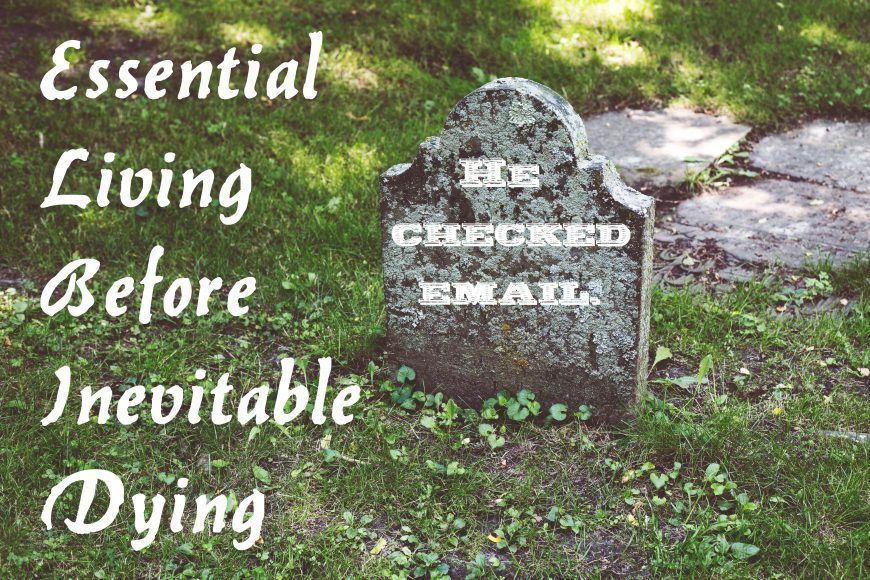
In the last few paragraphs of Greg McKeown’s book, Essentialism: The Disciplined Pursuit of Less , the author tells a heartbreaking story of a man whose three-year-old daughter has died. The father wished to put together a slideshow of her little life to play at her funeral. He had documented on his camera every outing he’d ever taken with his daughter, and he had hours of footage. But as he scrolled through the thousands of photos and videos, he realized, with growing alarm, that nearly all the images he had captured were of the sights, views, meals, and landmarks of their trips. He had practically no close-up images of his daughter. He had failed to recognize what was essential in his life until she was gone.
November 17, 2020
Dear Ted,
October 23, 2020
Dear Ted,
October 19, 2020
Gained in Translation